If you want to know how to get a better EPC rating, the good news is that several proven improvements can move your property up one or more bands. This guide covers the most effective steps UK homeowners can take in 2026, ranked by impact.
Why Your EPC Rating Matters
Your EPC rating affects how attractive your property is to buyers and tenants. It also determines whether you qualify for certain government grants. Furthermore, a higher rating means lower energy bills, which is a practical benefit for whoever lives in the property.
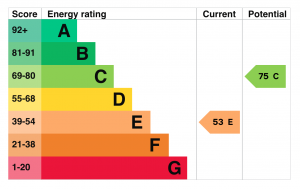
The rating runs from A to G. Most UK homes currently sit at D or E. Moving from E to D, or from D to C, can make a real difference to both energy costs and property value.
The Most Effective Ways to Get a Better EPC Rating
Loft Insulation
Loft insulation is one of the cheapest and most impactful improvements available. If your loft is uninsulated or has less than 270mm of insulation, topping it up can improve your rating by a full band in some cases. The Energy Saving Trust recommends 270mm of mineral wool as the standard target for UK homes. You can check current guidance at energysavingtrust.org.uk.
Wall Insulation
Wall insulation has a significant effect on your EPC rating because heat loss through walls accounts for a large proportion of a home’s energy demand. The type of insulation you need depends on your wall construction.
Cavity walls can be filled with insulation relatively quickly and at low cost. Solid walls require either external or internal insulation, which is a larger project but delivers a greater improvement. For homes with solid walls, external wall insulation is one of the most impactful upgrades available. You can explore that option further at ecoinsulation.co.uk.
Floor Insulation
Suspended timber floors lose a surprising amount of heat, particularly in older properties. Adding insulation beneath the floorboards can contribute to a rating improvement and noticeably reduce draughts at floor level. For more detail on floor insulation options, visit floorinsulation.co.uk.
Boiler and Heating Controls
Replacing an old boiler with a modern condensing boiler improves efficiency significantly. Adding a programmer, room thermostat, and thermostatic radiator valves also contributes to a better rating. The software that calculates EPC ratings takes heating system controls into account, so these upgrades register on the certificate.
Double or Triple Glazing
Replacing single glazed windows with double or triple glazing improves your rating and reduces heat loss. However, glazing upgrades tend to have a smaller impact on the rating than insulation or heating system changes. They are worth doing, but they should not be the first step if budget is limited.
Solar Panels
Solar photovoltaic panels can push a property’s rating toward B or even A. However, the upfront cost is significant. In 2026, most installations cost between £5,000 and £8,000 depending on system size. For many homeowners, insulation improvements deliver a better return per pound spent before moving on to renewable energy.
How to Prioritise Your Improvements
The most cost-effective approach is to address heat loss first before investing in renewable energy generation. In practice, this means tackling insulation before solar panels. The government’s guidance on energy efficiency support is available at gov.uk.
If you are unsure where to start, a new EPC assessment will include a list of recommended improvements and the projected rating you could achieve. This gives you a clear roadmap to work from.
 If you want to get a better EPC rating and are not sure which improvement to tackle first, contact us today. We work with homeowners across the UK and can help you understand your options quickly.