We use cookies to provide you with a better experience. By continuing to use this site, you agree to our use of cookies.

Average EPC Rating in the UK by Property Type: What the Data Shows About Which Measures Actually Work (2026)

Average EPC rating UK by property type: Understanding how EPC ratings distribute across the UK housing stock. Read on to find out  which improvement measures move properties between bands, matters for homeowners planning improvements, landlords facing the 2030 compliance deadline, and anyone trying to understand what their current rating actually means. The data from government published sources provides a clear picture of where the UK housing stock stands and what the evidence shows about effective interventions.


Where the UK Housing Stock Sits Today

Government EPC data for England and Wales, published through the EPC Register, shows that the average EPC rating for existing dwellings sits around band D, specifically in the low to mid D range, corresponding to a score of approximately 60 to 65 on the 1 to 100 scale.


This average conceals significant variation by property type, age, and tenure:


New builds (post 2010), the overwhelming majority rate at B or C. Government statistics for Q3 2025 show that 85% of new dwellings received an A or B rating, reflecting the progressive tightening of building regulations over the past two decades.


Post war housing (1945 to 1980), typically rates at C or D, depending on what improvements have been made. Cavity walls filled and loft insulated push these properties to the C boundary. Unimproved, they sit solidly in D.


Victorian and Edwardian properties (pre 1919): solid wall construction, single glazing, and older heating systems combine to produce E, F, or G ratings in unimproved form. These properties are the ones the government’s retrofit programmes primarily target.


Private rented sector: data from the 2024 English Housing Survey identifies private rented households as having the highest rates of fuel poverty of any tenure type in England, which correlates with a concentration of lower EPC rated stock in this sector.


The Social Housing Decarbonisation Fund: Before and After Evidence

The most useful published dataset on EPC improvement from specific interventions comes from the Social Housing Decarbonisation Fund (SHDF). The government’s December 2025 SHDF statistics provide specific before and after EPC data for tens of thousands of upgraded properties.


The headline finding is striking: almost 100% of households upgraded under SHDF Wave 2.1, those starting from EPC band D or below where pre and post installation data was available, reached band C or above following the programme of works. This was replicated across Wave 2.2, where 99% of upgraded households reached C or above.


This data reflects a package approach, multiple measures installed together rather than a single intervention. However, it demonstrates clearly that moving a poorly rated property to band C or above is achievable at scale when the right combination of measures is applied.


The measures installed under the SHDF were predominantly insulation measures, which accounted for 52% of all measures under Wave 2.1. Solid wall insulation (both external and internal) and other insulation measures including roof and floor insulation made up the majority of this share, alongside electricity related measures (22%) and windows and doors upgrades (16%).


What Individual Measures Contribute to an EPC Score

The EPC score is calculated using the Standard Assessment Procedure (SAP), which weights measures by their contribution to the overall energy demand and carbon output of the property. The contribution of each measure varies by property type, but some broad patterns hold:

Loft Insulation

Upgrading from no insulation to 270mm significantly reduces the calculated heat loss through the roof. The EPC impact is typically 5 to 15 points, with larger impacts on detached properties with a proportionally larger roof area. Loft insulation is usually the highest impact per pound spent measure available for an unimproved property.

Cavity Wall Insulation

Filling an unfilled cavity wall typically adds 8 to 20 points to the EPC score, depending on the property type and what other measures are present. For a solid brick semi the calculation is different, there is no cavity to fill, but for the majority of post 1930 properties with unfilled cavities, this is one of the most cost effective EPC improvements available.

Solid Wall Insulation (External or Internal)

The EPC impact of solid wall insulation depends heavily on how much exposed external wall the property has. A detached property with four external elevations sees a much larger improvement than a mid terrace with only front and rear.


Published data from the London EPC practice provides a worked example: a 100 year old solid brick end of terrace property rated F31 moved to D55 following solid wall insulation to a U value of 0.30 W/m²K, a 24 point improvement. The same property with additional insulation to a U value of 0.22 moved only one further point to D56, illustrating that there is a point of diminishing returns beyond building regulations compliance.


For detached solid wall properties, improvements of three EPC bands, for example E to B, are possible from solid wall insulation combined with other measures.

Heating System Upgrade

Replacing an old G rated gas boiler with a modern A rated condensing boiler adds around 3 to 8 points. A move to an air source heat pump produces a larger improvement in the current SAP methodology because heat pumps use electricity, which SAP weights more favourably than gas on a carbon basis.


However, from 2027 the new Home Energy Model (HEM) will introduce a different assessment methodology. Under HEM, heat pump performance is assessed differently and properties currently rated C on a gas boiler may see their rating change. Homeowners planning improvements ahead of this change should be aware that the methodology itself is moving.

Double Glazing

Moving from single glazed to double glazed windows typically adds 2 to 8 points. There may be larger impacts on properties with more glazing area. The marginal improvement from double to triple glazing is considerably smaller and rarely the most cost effective next step.

Solar Photovoltaic Panels

A 2 to 4kWp solar PV system adds approximately 10 to 20 points to the EPC score under the current methodology. Solar PV is therefore one of the highest impact individual measures for EPC score improvement, particularly on properties where fabric improvements alone leave the rating below C.


The 39% Who Moved Up a Band

Analysis by Hamptons of Ministry of Housing, Communities and Local Government data found that between January and August 2024, 39% of rental homes with new EPC assessments moved into a higher band compared to their previous certificate. More than one in 10 (13%) dropped into a lower band, while 48% saw no change.


This data reflects a housing stock in active transition, with a significant minority of landlords and homeowners making improvements between EPC cycles. Over half of rental properties assessed in this period had a rating of C or higher.


The government estimates that up to 4% of rental properties will not be able to achieve a minimum EPC rating of C regardless of investment. Typically, the most technically constrained properties including some listed buildings and properties in specific conservation areas.


What This Means for Your Property

The national data provides useful context but property level performance depends on the specific construction, existing measures, and what the EPC assessor has recorded. The practical starting point for any homeowner or landlord planning improvements is their existing EPC certificate, specifically:


The current score and band. Where do you actually sit on the scale?


The potential score. What does the EPC assessor calculate the property could achieve if all recommended measures were implemented?


The recommended improvements table. Which measures does the assessor identify, what is their estimated impact, and in what order should they be implemented?


The gap to C. If the current rating is D 65 and the potential is C 72, you need 3 points. If the current rating is E 45 and the potential is C 74, you need 29 points. The measures required are very different.


An EPC that is more than five years old may not reflect recent improvements or the updated RdSAP 10 methodology introduced in June 2025. If you are planning improvements based on an old EPC, commissioning a new assessment first gives you an accurate baseline.


Frequently Asked Questions

What is the average EPC rating in the UK? The average for existing dwellings in England and Wales is approximately D, in the range of 60 to 65 on the 100 point scale. New builds average B.


What percentage of homes have an EPC rating of C or above? Over half of rental properties assessed in 2024 rated C or above, according to Hamptons analysis of government data. The proportion varies significantly by tenure and property age. New builds are predominantly A or B, while pre 1919 solid wall properties are predominantly E, F, or G unless improved.


Which measures move an EPC rating the most? Solid wall insulation on a detached property, solar PV, and heat pump installation typically deliver the largest individual score improvements. Loft insulation delivers the best impact per pound spent for unimproved properties. The optimal combination depends on the specific property.


Does the SHDF data apply to privately owned homes? The SHDF targeted social housing, so the properties and measures differ from the typical private owner occupier or landlord scenario. The before and after band improvement data is indicative of what is achievable with a comprehensive package of measures but. However, this should not be taken as a direct prediction for any individual property.

Check my EPC

Statistics and scheme data correct as of April 2026. EPC methodology is subject to change under the Home Energy Model from 2027, monitor government guidance for updates.
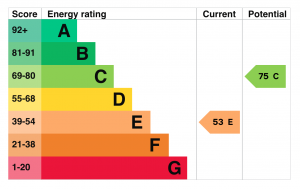

EPC rating: A–G

Should I Get a New EPC Assessment? (2026)

An EPC is valid for 10 years but a new EPC assessment before then may be a good idea. If yours has not expired, you are not legally required to get a new one, but there are specific situations where commissioning a new assessment makes real financial and practical sense. There are also situations where it is a waste of money. This guide helps you work out which category you are in.


When You Have No Choice: Legal Requirements

Before getting to the question of whether you should get a new assessment, confirm whether you legally need one.


You must have a valid EPC when:


Selling your property. An EPC must be commissioned and available before a property is marketed for sale. If your existing EPC has expired, more than 10 years since it was issued, you need a new one.


Letting a property. Landlords must have a valid EPC before marketing a rental property to tenants. The EPC must show a rating of E or above (or a registered exemption). If your rental EPC has expired or the property has never had one, you need a new assessment.


A newly built or substantially altered property. New builds require an EPC as part of building regulations sign off.


Check the EPC Register at epcregister.com. Enter the property address and you will see whether a valid EPC exists, when it was issued, and when it expires. Any property that has been on the register within the last 10 years does not legally need a new assessment for a sale or letting, as long as the circumstances covered in the register certificate still broadly apply.


When a New Assessment Is Worth Getting Voluntarily

You Have Made Significant Improvements Since the Last Assessment

An EPC captures the property at the time of assessment. If you have installed loft insulation, cavity or solid wall insulation, double glazing, a new boiler, solar panels, or underfloor heating since the last certificate was issued, none of these improvements are reflected in your existing EPC.


This matters for several reasons:


The EPC may understate your property’s performance. A rating of E on an old certificate for a property that now has full loft insulation, a new boiler, and double glazing is inaccurate. The actual rating is probably C or D.


A higher rating can affect your mortgage or sale price. Lenders increasingly factor EPC ratings into mortgage product availability. Some green mortgage products offer preferential rates for A or B rated properties. A more accurate certificate may open better financing options.


For landlords, a higher rating affects compliance status. If an existing certificate shows E or below but improvements since that assessment would now produce a D or C, a new certificate demonstrates compliance with MEES without the need for an exemption.


The question is how confident you are that the improvements would produce a meaningfully better rating. If you have replaced windows, topped up the loft, and installed a new boiler since a D certificate was issued, a new assessment will almost certainly show C. If you have done relatively minor work, the improvement may not cross a band boundary.


A scenario analysis from an experienced EPC assessor, asking them to estimate the likely rating given the improvements made, can help you decide whether a new assessment is worth commissioning before paying for it.

Your EPC Was Issued Before June 2025

The RdSAP 10 methodology update in June 2025 was the most significant change to EPC calculations in over a decade. Properties assessed under the previous methodology (RdSAP 9.94) may score differently under RdSAP 10, higher or lower depending on their characteristics.


Properties likely to score better under RdSAP 10:


  • Solid brick properties with walls thicker than 280mm (revised U value assumption)
  • Mid floor flats and mid terrace properties (revised heat loss assumptions for shared elements)
  • Properties where documentation of improvements is now available that was not available at the previous assessment


Those that may score differently (not necessarily worse):


  • Properties where the previous assessor used generous default assumptions that RdSAP 10 no longer permits
  • Properties where the heating system details could not be verified and the new methodology applies a lower default


If your property falls into one of the categories likely to benefit from RdSAP 10, and you are close to a band boundary, particularly the D to C boundary, a new assessment is worth considering.

You Are Planning Improvements and Want an Accurate Baseline

If you are about to spend money on insulation, glazing, or heating upgrades, you want to start from an accurate picture of where the property currently stands. An old EPC, particularly one from before RdSAP 10, may not give you that.


A current assessment provides:


An accurate current score and band. What is the property actually rated at today, under the current methodology?


An accurate potential score. What could the property achieve if all recommended measures were implemented?


A current recommended improvements table. Which measures does the assessor recommend, in what order, and what is their estimated individual impact?


This information directly shapes which improvements to prioritise and in what order. Spending money on improvements guided by an old certificate is less efficient than spending money guided by a current one.

You Are a Landlord Planning for the 2030 MEES Deadline

Landlords need to achieve EPC band C by 1 October 2030. A new assessment in 2026 or 2027, before the Home Energy Model methodology change expected in late 2027, gives you:


An accurate picture of the current rating. Where does each property in your portfolio actually sit under RdSAP 10?


A clear gap to C. How many points does each property need to reach C, and which measures deliver those points most cost effectively?


The ability to plan and phase improvements. Rather than rushing improvements in 2029 and 2030 when installer availability will be constrained and prices elevated, you can commission work now at your own pace.


The strategic option of locking in a C before HEM. A valid EPC C issued before October 2029 under the current methodology is treated as compliant for up to 10 years. Getting assessments and improvements done now preserves this option.


When a New Assessment Is Not Worth It

Your Existing Certificate Is Recent and Nothing Has Changed

A certificate issued in the last two or three years under RdSAP 10 (post June 2025) accurately reflects the property. If you have not made any significant improvements since then, a new assessment produces essentially the same result at a cost of £60 to £120 for no benefit.

You Are Commissioning Improvements and the Assessor Will Come Back Afterward

If you are about to install significant improvements, solid wall insulation, a heat pump, solar panels, there is no point commissioning an assessment now when the certificate will be outdated within months. Commission the improvements, then get a new assessment once they are complete to capture the improved rating.


The exception is if you need an accurate current baseline to plan what improvements are needed. In that case, a pre improvement assessment is useful planning information even if you will commission another one after the works.

The Improvement to Your Rating Would Be Marginal

If you have made minor improvements since the last assessment, draught proofing, a new programmer, LED lighting, and these are unlikely to move the rating by more than a point or two, a new assessment is not going to produce a meaningfully different certificate. Save the money.


What to Expect From a New EPC Assessment

A domestic EPC assessment typically takes 30 to 60 minutes for a standard property. The assessor visits the property and records:


  • Wall, roof, and floor construction
  • Heating system type, make, model, and controls
  • Hot water provision
  • Window glazing type and condition
  • Presence and depth of insulation in loft and walls


Under RdSAP 10, the assessor uses a hierarchy that prioritises documented evidence over default assumptions. Bring out any documentation you have, boiler installation certificate, insulation completion certificates, FENSA window certificates, before the assessor arrives.


The assessor enters the data into approved SAP software, calculates the rating, and lodges the certificate on the national EPC Register. You receive a copy. The certificate appears on the public register within a few days of lodgement.


How Much Does a New EPC Assessment Cost?

EPC costs in 2026 range from approximately £60 to £120 for a standard domestic property, depending on the property size and the assessor’s location and pricing. Larger properties take longer to survey and cost more.


Shop around, but do not choose purely on price. An assessor who spends 20 minutes in a large property has not assessed it properly. Check that the assessor is accredited on the EPC Register’s accredited assessor search before appointing them.


Frequently Asked Questions

Can I use an existing EPC if I am selling my property? Yes, if it is less than 10 years old and lodged on the national register. You do not need a new assessment unless the existing certificate has expired.


Will a new EPC definitely show a higher rating if I have made improvements? Not definitively, it depends what improvements you have made and how they affect the calculated energy performance. Significant improvements such as full loft insulation, cavity wall insulation, or a new boiler are very likely to improve the rating meaningfully. Minor improvements may make little difference.


Can I choose which assessor to use? Yes. You can commission an EPC assessment from any accredited domestic energy assessor. Find accredited assessors through the EPC Register or through accreditation bodies such as Elmhurst Energy, Stroma, or ECMK.


How long does it take to get an EPC? Most assessors can complete the survey and lodge the certificate within a few days of the visit. In busy periods, appointment availability may extend this. For sale or letting situations with a deadline, book early.


Does the EPC assessor check if my insulation is actually there? The assessor records what is visible and what can be evidenced through documentation. They do not open walls or carry out invasive inspections. Where insulation is not visible and no documentation exists, the assessor may record the wall or floor as uninsulated. Keep all installation certificates to ensure improvements are correctly recorded.

Check my EPC

Book EPC assessmentCosts and methodology information correct as of April 2026. The Home Energy Model is expected in late 2027 and will introduce a new assessment framework, monitor government guidance for updates.
 

How to Improve Your EPC Rating Before the Home Energy Model Changes Everything in 2027 (2026)

This article will walk you through how to improve EPC rating as doing so in 2026 means working within a methodology that is about to change significantly. The Home Energy Model (HEM), the government’s replacement for the current SAP and RdSAP framework, is expected in the second half of 2027. When it arrives, it will assess properties against four new headline metrics rather than a single energy cost band. What that means for your rating, and what you should prioritise now to get ahead of it, depends entirely on what your property currently has and lacks.


Why 2026 and 2027 Are the Critical Window

The government has confirmed that landlords must achieve an EPC band C by 1 October 2030. EPCs issued under the current methodology (RdSAP 10, introduced June 2025) will remain valid for 10 years. A property that achieves a valid EPC C before October 2029 under the current methodology will be treated as compliant until that certificate expires, potentially until 2039.


This creates a clear strategic case for achieving band C before HEM takes effect. A property owner who secures a C rating under the current, more straightforward methodology avoids the more demanding dual metric requirements that HEM introduces. The EPC Checker published analysis suggesting that some properties currently sitting at C could fall to D under HEM without any physical changes, because the new methodology assesses fabric performance and heating system performance separately, and a gas boiler property that passes the current overall cost test may fail the heating system metric under HEM.


Acting in 2026 and 2027 means working within the known current methodology, with a clear understanding of what it takes to reach C and a straight line between the current rating and the target.


Understanding the Four HEM Metrics

HEM will assess properties against:


Fabric performance, how well the building retains heat through insulation, draught proofing, and windows. This maps most directly to the improvements covered in this guide.


Heating system, the efficiency and carbon intensity of the heating system. Under HEM, gas boiler properties are expected to score worse on this metric than under the current methodology.


Smart readiness, whether the property can generate its own energy (solar PV) or manage energy demand intelligently.


Energy costs, the estimated running cost, similar in concept to the current EPC score.


Properties will need to demonstrate compliance on fabric performance first, then on either heating system or smart readiness. This means that for many properties, achieving HEM compliance will require both fabric improvements and either a heat pump or solar panels, a more expensive and complex programme than the current single band requirement.


The Improvements That Work Under Both Methodologies

Some improvements count strongly under both the current RdSAP 10 methodology and the anticipated HEM framework. These are the ones to prioritise now.

Loft Insulation

Topping up to 270mm delivers significant fabric performance improvement under both methodologies. It is the cheapest high impact measure available and should be the starting point for any unimproved property. Under HEM’s fabric performance metric, loft insulation contributes directly to the assessment.

Wall Insulation

Cavity wall insulation for eligible properties, and external or internal wall insulation for solid wall properties, improves both current EPC scores and HEM fabric performance. For solid wall properties aiming for band C before 2029, wall insulation is almost always the central measure.

Floor Insulation

Contributes to fabric performance under both methodologies. Not as high impact as loft and wall insulation in most properties, but as part of a comprehensive fabric package it contributes meaningful points and helps future proof the property against HEM fabric performance requirements.

Double and Triple Glazing

Window upgrades count under both methodologies. The marginal gain from upgrading already fitted double glazing to triple glazing is modest. Moving from single to double glazing produces a more meaningful improvement.


The Improvements Where Timing Matters

Gas Boiler Replacement

Under the current methodology, replacing an old G rated boiler with a modern A rated condensing boiler adds 3 to 8 EPC points. Under HEM, a gas boiler, however efficient, is expected to perform poorly on the heating system metric. Replacing a gas boiler with another gas boiler in 2026 may achieve current EPC C but not satisfy HEM’s heating system requirement.


The decision point: if the current EPC is close to C and a boiler upgrade would push it over the line, it may make strategic sense to get that EPC C certificate now before HEM takes effect, rather than waiting for a heat pump that might not be in the budget. A valid EPC C from before October 2029 locks in current methodology compliance for up to 10 years.


If HEM compliance by 2030 is the target, particularly for landlords with longer horizons, the case for moving directly to a heat pump rather than replacing a gas boiler is stronger.

Heat Pump Installation

A heat pump installation improves the current EPC score substantially and is expected to satisfy HEM’s heating system metric. The Boiler Upgrade Scheme provides a grant of £7,500 toward heat pump installation costs, available to landlords and owner occupiers.


Heat pumps perform best in well insulated properties. Installing a heat pump before improving the fabric means the heat pump runs at higher flow temperatures to compensate for higher heat loss, which undermines its efficiency. The fabric first approach, insulation before the heat pump, produces a better performing and more cost effective outcome.

Solar PV

Solar panels improve the current EPC score by 10 to 20 points and satisfy HEM’s smart readiness metric. For properties that are strong on fabric but have a gas heating system that performs poorly under HEM, solar PV may be the most practical route to HEM compliance without a full heating system replacement.


The cost of solar PV has fallen significantly in recent years. A 3 to 4kWp system typically costs £5,000 to £8,000 installed in 2026.


A Practical Improvement Roadmap

For a property currently rated D or E aiming for C before October 2029:


Step 1: Commission a current EPC under RdSAP 10. If your existing EPC is from before June 2025, it was produced under the previous methodology. A new assessment gives you an accurate baseline and a recommended improvements table that reflects current calculations.


Step 2: Address loft insulation. If the loft has less than 270mm, top it up. This is the quickest and cheapest high impact improvement available.


Step 3: Address wall insulation. If the property has an unfilled cavity, fill it. If it has solid walls, commission a survey for EWI or IWI. Check eligibility for ECO4 and GBIS funding before paying privately.


Step 4: Check the gap to C. After loft and wall insulation, get a new EPC or ask the installer to produce an in principle EPC improvement estimate. How many more points do you need?


Step 5: Address the remaining gap. Floor insulation, glazing, heating controls, solar PV, or heating system upgrade depending on what the property needs and what the budget allows.


Step 6: Confirm EPC C is achieved before October 2029. Commission a new EPC assessment once improvements are complete. A valid EPC C before this date locks in compliance under the current methodology for up to 10 years.


The Cost Cap for Landlords

Landlords subject to the 2030 MEES deadline have a spending cap of £10,000 per property toward achieving band C. Expenditure from 1 October 2025 counts toward this cap. Where the cost of reaching C exceeds £10,000 and no grant funding is available to cover the balance, a cost cap exemption can be registered.


This means landlords who invest £10,000 in improvements, even if the property cannot reach C within that budget, can register a compliant exemption rather than facing a penalty. The practical strategy is therefore to spend the £10,000 on the measures most likely to improve the rating as far as possible, even if C is not achievable.


Frequently Asked Questions

Will my current EPC C still be valid after HEM takes effect? Yes. EPCs are valid for 10 years from issue regardless of methodology changes. A valid EPC C issued before October 2029 under the current methodology will be treated as compliant for up to 10 years.


Could I currently be rated C but fail under HEM? Possibly. Properties with gas boiler heating may perform well on the current overall energy cost metric but poorly on HEM’s separate heating system metric. The government has said that a valid EPC C before October 2029 locks in current methodology compliance, but this is a strong argument for achieving C now rather than waiting.


Is there a definitive HEM specification available yet? Not in full. The government published its partial response to the EPC consultation in 2025 confirming the four metric structure and the 2027 timeline. Full technical specifications for assessors and software developers are expected as HEM development progresses.


What happens if my property genuinely cannot reach C under either methodology? Register an exemption. The exemption framework under MEES allows landlords to register compliance where the property genuinely cannot reach the required standard within the cost cap. Exemptions last 5 to 10 years and must be supported by evidence.

Check your EPC

EPC rating: A–G

EPC rating: A–G

Information correct as of April 2026. HEM implementation timeline and methodology details are subject to government confirmation, monitor DESNZ guidance for updates.


Minimum EPC Rating for Rented Properties: What Landlords Need to Know in 2026

If you rent out a property in England or Wales, the EPC rating of that property is no longer just a number on a certificate, meeting the minimum EPC rating directly determines whether you can legally let it. The Minimum Energy Efficiency Standards (MEES) have tightened significantly since their introduction, and further changes are coming. This guide sets out exactly where the rules stand in 2026, what landlords need to do, and what happens if a property falls below the required rating.


The Current Minimum EPC Rating for Rented Properties

Since April 2023, landlords in England and Wales must not let a residential property, under any tenancy type, if it has an EPC rating below E. This applies to:


  • New tenancies granted after 1 April 2020
  • All existing tenancies, including those that started before the MEES regulations came into force


In plain terms: if your rental property has an EPC rating of F or G and you currently have tenants in it, you are already in breach of the regulations unless you hold a valid registered exemption.


The rating threshold applies to the EPC lodged on the national register. If your property has an EPC that is less than 10 years old and rates E or above, you currently comply with the minimum standard.


What Changes Are Coming After 2026?

The government has consulted on raising the minimum EPC rating for rented properties to C. The proposed timetable, which has shifted several times, points toward a requirement for new tenancies to achieve an EPC C from 2028, with all tenancies required to meet C by 2030.


As of April 2026, final legislation confirming this timetable has not passed. However, the direction of travel is clear, and landlords who plan ahead now avoid the scramble, and the higher costs, that come with rushing improvements to meet a deadline.


A property rated D or E today may be legally lettable now but require significant investment within the next two to four years. Landlords with portfolios that include D and E rated properties should treat this as an active planning issue rather than a future concern.


Which Properties Need an EPC for Renting?

Almost all residential rental properties in England and Wales require a valid EPC. The requirement applies to the whole building if it is a single dwelling, or to each self-contained unit if the building contains multiple flats.


A small number of property types are exempt from the EPC requirement entirely:


  • Listed buildings (where compliance would unacceptably alter the character of the building)
  • Holiday lets used for fewer than four months a year
  • Residential buildings used less than four months a year
  • Standalone buildings under 50 square metres


Properties that fall within these categories do not need an EPC and therefore do not need to meet the MEES rating threshold. However, landlords cannot claim a building is listed or exempt without being able to evidence it, the exemption is a legal position, not just a preference.


What Happens if a Rental Property Fails the Minimum EPC Rating?

Civil Penalties

Local authorities enforce MEES and can impose civil penalties of up to £30,000 per property per breach. The penalty structure in England is:


Breach Maximum penalty
Letting a property below the minimum rating Up to £30,000
Providing false or misleading information on an exemption Up to £5,000
Failing to comply with a compliance notice Up to £5,000


Local authorities can also publish details of non-compliant landlords, which carries reputational consequences alongside the financial ones.

Tenants Can Report Non-Compliance for minimum EPC rating 

Tenants have the right to report their landlord to the local authority for MEES non-compliance. A tenant who suspects their property has an F or G rating, which they can check on the public EPC register at epcregister.com, can trigger an investigation without any formal complaint process.

Mortgage and Insurance Implications for failing the minimum EPC rating 

Some mortgage lenders require properties to hold a minimum EPC rating as a condition of the mortgage. Non-compliance with MEES can also affect buildings insurance if it comes to light during a claim or renewal. Landlords should check their mortgage terms and insurance policy wording.


How to Improve a Rental Property’s EPC Rating

The most effective route to a C rating depends entirely on what the property currently has and lacks. An EPC assessor’s report includes a list of recommended improvements with their estimated impact on the score. Common measures that move a property from E or D to C include:

Loft Insulation

If the loft has less than 270mm of insulation, topping it up is typically the cheapest and highest-impact measure available. A well-insulated loft can add 5 to 15 points to an EPC score.

Wall Insulation

For cavity wall properties, filling an unfilled cavity adds significant points and costs relatively little. For solid wall properties, external or internal wall insulation is required, more expensive but potentially moving the rating by 15 to 25 points.

Heating System Upgrade

Replacing an old gas boiler with a modern A-rated condensing boiler improves the rating. A heat pump delivers a larger improvement still under the current SAP methodology. Properties with electric storage heaters, common in older flats and converted properties, often rate poorly specifically because of the heating system.

Hot Water Cylinder Insulation

An uninsulated or poorly insulated hot water cylinder loses significant heat. A cylinder jacket costs very little and contributes to the EPC score.

Double Glazing

Single glazed windows drag the rating down. Replacing them with double glazing improves the score and reduces tenant heating costs, which matters for tenant retention.

Solar Panels Are a Great Way to Raise Minimum EPC Rating s

A modest PV system (2 to 4kWp) can add 10 to 20 points to an EPC and push a D-rated property to C. For landlords with properties in reasonable solar exposure, this is increasingly worth considering as panel costs have fallen substantially.


Grant Funding for Landlords

Landlords sometimes assume grant funding for energy efficiency improvements only targets owner-occupiers. That is not the case, private landlords can access funding through several routes.

ECO4

The Energy Company Obligation scheme funds energy efficiency improvements for fuel-poor and low-income households. Private landlords qualify where their tenants meet the eligibility criteria, typically receiving certain means-tested benefits or living in a property with a poor EPC rating. The works install at no cost to the landlord, but the tenant must give consent and the landlord must agree to the work.


ECO4 does not require the landlord to contribute financially, but the landlord must commit to not raising rent as a result of the improvements for a period after installation.

Great British Insulation Scheme (GBIS)

Targets properties in lower council tax bands or with EPC ratings of D or below. Landlords with eligible properties can access subsidised insulation through registered suppliers. The scheme funds one primary measure per property.

Boiler Upgrade Scheme

Provides grants of £7,500 toward the cost of a heat pump. Available to landlords as well as owner-occupiers. A heat pump installation on a property currently heated by electric storage heaters or an old gas boiler can transform the EPC rating.


A PAS 2030-certified, TrustMark-registered installer can assess which funding routes apply to each property in a portfolio and manage the applications.


MEES Exemptions: When They Apply and How to Register Them

Where a landlord genuinely cannot bring a property to the minimum EPC rating, MEES regulations allow for exemptions. These are not a way to avoid the rules indefinitely, they are specific, time-limited provisions for defined circumstances.

High Cost Exemption

Where the cheapest qualifying improvement costs more than £3,500 including VAT, and the landlord has explored all available funding routes, they can register a high cost exemption. The landlord must obtain at least three quotes and demonstrate that no grant funding covers the works.

No Improvements Possible Exemption

Where a qualified assessor confirms that no relevant improvement measures are technically feasible, typically in a listed building or a property where planning restrictions prevent wall or window improvements, the landlord can register this exemption.

Third Party Consent Exemption

Where improvement works require consent from a freeholder, leaseholder, or planning authority, and that consent has been actively sought and refused, the landlord can register this exemption.


All exemptions register on the government’s PRS Exemptions Register at gov.uk. Most last five years. Exemptions do not transfer to a new landlord on sale, the buyer must independently qualify.


Landlords should treat exemptions as a last resort rather than a first response. Many properties that appear to qualify for a high cost exemption actually qualify for funded improvements through ECO4 or GBIS that remove the need for an exemption entirely.


Practical Steps for Landlords in 2026

Check every property’s current EPC rating. Search the EPC register at epcregister.com. If any property rates F or G, it needs immediate attention. If properties rate D or E, plan now for the likely future requirement to reach C.


Commission a new EPC if the existing one is over 10 years old or if significant improvements have been made. An outdated EPC may not reflect the current state of the property, particularly if loft insulation, glazing, or heating has been upgraded since the last assessment.


Get improvement surveys done before the price rises. As the 2028 deadline for new tenancies approaches, demand for assessors, installers, and materials will increase and prices will follow. Landlords who act in 2026 and 2027 secure better pricing and better availability.


Check grant eligibility for each property. A single conversation with a registered installer often reveals funding that a landlord did not know was available. ECO4 in particular funds improvements that landlords assume they would need to pay for themselves.


Document everything. If you register an exemption or fund improvements, keep records of quotes, survey reports, grant applications, and completion certificates. Local authority enforcement officers can request evidence.


Frequently Asked Questions

Does MEES apply to HMOs?

Yes. Houses in multiple occupation require an EPC for the whole building. Each self-contained unit within a larger property also requires its own EPC. Both the building-level and unit-level ratings must meet the minimum standard.


What if my tenants refuse access for improvement works to meet the minimum EPC rating ?

A landlord who cannot carry out improvements because a tenant refuses access can register a temporary exemption while demonstrating they have taken reasonable steps to obtain consent. The landlord should document all attempts to arrange access in writing.


Can I sell a non-compliant property to another landlord?

Yes. MEES compliance obligations attach to the tenancy, not the sale. However, a buyer taking on a non-compliant tenancy inherits the compliance problem, which affects the property’s value and saleability. Most informed buyers discount F and G rated rental properties significantly.


Does a higher EPC rating justify a higher rent?

There is no legal basis for charging higher rent solely because of an EPC rating. However, lower energy costs benefit tenants in more efficient properties, which can help with tenant retention and reduce void periods.


How do I find out what improvements would take my property to a C EPC Rating?

Commission an EPC assessment. The assessor’s report includes a table of recommended improvements, each with its estimated impact on the score and approximate cost range. This gives you a clear roadmap from the current rating to C.

minimum epc rating for rented properties chart

Information correct as of April 2026. MEES regulations and proposed changes to minimum EPC standards are subject to ongoing legislative development, check the latest government guidance or take professional advice for your specific portfolio.


Check your EPC here.


EPC Exemptions: When You Don’t Need an Energy Performance Certificate (2026)

Most properties require an Energy Performance Certificate when sold, let, or built. But a small number of property types fall outside this requirement. This guide explains exactly which properties qualify for an EPC exemption, how landlord exemptions work under the Minimum Energy Efficiency Standards (MEES), and what you need to do to register one.

Which Properties Are Exempt from Needing an EPC?

The government sets out the following categories of property that do not require an EPC.

Listed Buildings

Listed buildings in England and Wales do not require an EPC where meeting the minimum energy efficiency standards would unacceptably alter their character or appearance. Historic England and local conservation officers often restrict or prohibit measures such as external wall insulation, double glazing, or solid floor insulation in listed properties.

However, this exemption is not automatic. The owner must be able to demonstrate that compliance measures would genuinely harm the building’s heritage significance. A blanket assumption that all listed buildings qualify is incorrect.

Temporary Buildings

Buildings with a planned useful lifespan of less than two years do not require an EPC. This covers temporary structures such as site offices, pop up retail units, and seasonal buildings erected for a fixed short term purpose.

Residential Buildings Used Less than Four Months a Year

Holiday homes and other residential properties that owners use for fewer than four months per year, and where energy consumption falls below a relevant threshold, qualify for an exemption. The owner must be able to evidence the low and seasonal nature of use.

Small Standalone Buildings

Standalone buildings with a total useful floor area of less than 50 square metres do not require an EPC. This covers garden studios, small outbuildings converted to habitable use, and detached garages with a basic amenity fit out.

Industrial Sites, Workshops, and Agricultural Buildings

Non residential buildings that do not use energy to condition the indoor climate, meaning no heating, air conditioning, or mechanical ventilation, do not require an EPC. Agricultural barns, unheated storage warehouses, and similar structures fall into this category.

Places of Worship

Buildings used exclusively as places of worship and for religious activities qualify for an exemption.

Demolition

Where a seller or landlord can demonstrate that they have all the necessary consents and permissions to demolish the building, and that the buyer or tenant is aware of this intention, the property does not require an EPC.

EPC Exemptions for Landlords Under MEES

Separate from the general EPC requirement exemptions above, the Minimum Energy Efficiency Standards (MEES) create a distinct set of exemptions relevant specifically to landlords.

Under MEES, landlords in England and Wales must not let a property with an EPC rating below E. From April 2026, the government has confirmed that the minimum standard for new tenancies will rise, with further increases planned. Landlords who cannot meet the required standard may register an exemption on the PRS Exemptions Register.

The No Improvements Possible Exemption

A landlord can register this exemption where a qualified assessor or surveyor confirms that the property has no relevant energy efficiency improvements that are technically feasible to install. This might apply to a solid wall property in a conservation area where both external and internal insulation are prohibited or impractical.

This exemption lasts 5 years, after which the landlord must reassess whether improvements have become available.

The High Cost Exemption

Where the cheapest improvement measure costs more than £3,500 (including VAT), and the landlord cannot fund the works through third party funding such as ECO4 or the Great British Insulation Scheme, the landlord can register a high cost exemption.

The landlord must obtain at least three quotes from qualified installers to demonstrate the cost, and must show they have explored all available funding routes before relying on this exemption.

The Third Party Consent Exemption

Some improvements require consent that the landlord cannot obtain. Common situations include:

  • A freeholder or head lessor refusing consent for works in a leasehold property
  • A local planning authority refusing permission for external wall insulation in a conservation area
  • A listed building consent refusal

The landlord must evidence that they actively sought consent and the relevant party refused. Simply not applying does not qualify.

The Recently Let Property Exemption

A landlord who purchased a property that was already let to a tenant, and where the property does not meet the minimum EPC standard, can register a six month exemption while they take steps to bring the property into compliance. This gives the landlord time to either carry out improvements or register a longer term exemption if one applies.

The New Landlord Exemption

A person who becomes a landlord through inheritance or other means not involving a commercial purchase may register a six month exemption while getting the property assessed and any relevant works arranged.

How to Register a MEES Exemption

Landlords register exemptions on the government’s PRS Exemptions Register at gov.uk. The process requires:

  1. Creating an account on the register
  2. Selecting the type of exemption that applies
  3. Uploading supporting evidence (assessor reports, quotes, consent refusals, planning decisions)
  4. Confirming the property details and EPC rating

The register is publicly searchable. Local authorities use it to check compliance when investigating complaints or conducting proactive enforcement. Landlords who let a property without a valid EPC or exemption face civil penalties of up to £30,000 per property.

Exemptions do not transfer when a property changes ownership. A new landlord buying a property with a registered exemption must independently qualify for their own exemption or bring the property up to the required standard.

Do EPC Exemptions Affect Grant Eligibility?

Yes, in some cases. Grant schemes such as ECO4 and the Great British Insulation Scheme use EPC ratings to determine eligibility. Properties with very low EPC ratings (E, F, or G) often qualify for fully funded improvements.

If a landlord registers a MEES exemption instead of carrying out improvements, they may miss out on funded measures that would otherwise be available. Before registering an exemption, landlords should check what funding they can access through a TrustMark registered, PAS 2030 certified installer, as grants can cover the full cost of works and remove the need for an exemption altogether.

Frequently Asked Questions

Does a listed building always qualify for an EPC exemption?

Not automatically. The exemption applies where compliance with energy efficiency requirements would unacceptably alter the character of the building. Many listed buildings can still accommodate improvements such as loft insulation, secondary glazing, or draught proofing without harming their character. Owners should take professional advice rather than assume an exemption applies.

Can I sell a property without an EPC if it qualifies for an exemption?

Yes. If your property genuinely falls within one of the exempt categories, you do not need to commission an EPC before marketing it. However, you should be prepared to evidence the exemption to solicitors and buyers during the transaction.

How long do MEES exemptions last?

Most MEES exemptions last five years. The recently let and new landlord exemptions last six months. At the end of the exemption period, the landlord must reassess whether improvements are now possible or fundable before re registering.

What happens if I let a property without a valid EPC or exemption?

Local authorities can issue civil penalties of up to £30,000 per property. They can also issue compliance notices requiring landlords to carry out improvements or register a valid exemption within a specified timeframe.

Can a tenant report their landlord for not having a valid EPC?

Yes. Tenants can report non compliance to the local authority, which has enforcement powers under MEES. The local authority can investigate and issue penalties where appropriate.

Do I need an EPC for a holiday let?

Holiday lets used for fewer than four months a year may qualify for an exemption from the standard EPC requirement. However, if you let the property through a short term platform and it is available for more than four months a year, you likely need an EPC. The rules for holiday lets in relation to MEES are also subject to ongoing legislative change, check the latest government guidance for your specific situation.

epc exemptions for epc certificates

Sign up as an assessor

Information correct as of April 2026. EPC regulations and MEES standards are subject to ongoing legislative change. Always check the latest government guidance or take professional advice for your specific circumstances.

EPC Certificate: Everything UK Homeowners Need to Know (2026)

An Energy Performance Certificate (EPC) is a legal requirement for most properties in the UK when they are sold, let, or built. This guide explains what an EPC is, what the ratings mean, when you need one, how to get one, and what you can do to improve yours.

For general information about EPC certificates in the UK, including finding an existing certificate or arranging a new assessment, visit our EPC Certificates homepage.

What Is an EPC Certificate?

An Energy Performance Certificate (EPC) rates the energy efficiency of a building on a scale from A (most efficient) to G (least efficient). It also provides an estimated annual energy cost for the property and a list of recommended improvements with their potential impact on the rating and running costs.


EPCs are produced by accredited Domestic Energy Assessors (DEAs) following a standard methodology set by the government. The assessment covers:


  • The construction of walls, roof, and floors
  • Heating systems and controls
  • Hot water provision
  • Lighting
  • Ventilation
  • Windows and glazing


The assessor collects data on site and enters it into approved software (SAP: Standard Assessment Procedure) which calculates the EPC rating.


EPC Ratings Explained

Rating Band Description
92 to 100 A Most efficient
81 to 91 B Very efficient
69 to 80 C Above average
55 to 68 D Average
39 to 54 E Below average
21 to 38 F Poor
1 to 20 G Very poor


The UK average EPC rating is D (around 60 points). Most pre 1920 solid wall properties score E, F, or G without significant energy efficiency improvements.


The EPC also shows a potential rating, the score achievable if all the recommended measures were implemented. This is useful for understanding the gap between current and best case performance.


When Do You Need an EPC?

An EPC is legally required in England and Wales when a property is:


  • Sold: the seller must commission an EPC before marketing begins and provide it to the buyer
  • Let: landlords must have a valid EPC before marketing a property to tenants
  • Newly built: developers must provide an EPC on completion


You do not need an EPC if you are remortgaging (rather than selling), making improvements only, or if the property is exempt (see below).


EPC validity: An EPC is valid for 10 years. If your property has an EPC on the register that is less than 10 years old, it can be used for a sale or letting without commissioning a new one, though if significant improvements have been made, it may be worth getting a new assessment to reflect them.


EPC Requirements for Landlords

EPC rules are particularly important for landlords. Under the Minimum Energy Efficiency Standards (MEES) regulations:


  • Since 1 April 2020, landlords in England and Wales cannot grant a new tenancy for a property with an EPC rating of F or G
  • Since 1 April 2023, all existing tenancies must also meet the E rating minimum, including properties where no new tenancy has been granted


A landlord with an F or G rated property must either:


  1. Carry out improvements to bring the rating to E or above, or
  2. Register a valid exemption


Proposed tightening of MEES: The government has previously consulted on raising the minimum to C for new tenancies from 2026 and all tenancies from 2028. As of April 2026, final legislation has not been confirmed, but landlords should plan on the basis that a C rating will eventually be required and begin improvements accordingly.


EPC Exemptions

Some properties are exempt from EPC requirements. Exemptions include:


  • Listed buildings (where compliance measures would unacceptably alter the character of the building)
  • Temporary buildings intended to be used for less than 2 years
  • Residential buildings used less than 4 months a year
  • Standalone buildings under 50m² of useful floor area
  • Industrial sites, workshops, and agricultural buildings not modified for residential use


For landlord exemptions under MEES, where a property genuinely cannot reach an E rating cost effectively, a formal exemption can be registered on the PRS Exemptions Register. Exemptions must be renewed every 5 years and are not automatically inherited by a new landlord.


How to Get an EPC

An EPC can only be produced by an accredited Domestic Energy Assessor. You can find accredited assessors on the government approved register at the EPC Register website (epcregister.com) or through accreditation bodies including:


  • Elmhurst Energy
  • Stroma Certification
  • ECMK
  • Sterling Accreditation


The process:


  1. Book an assessment with an accredited DEA
  2. The assessor visits your property and takes measurements and notes on construction, heating, and services (typically 30 to 60 minutes)
  3. The assessor enters the data into SAP software
  4. The EPC is produced and lodged on the national register
  5. You receive a copy of the certificate


All EPCs are lodged on the publicly accessible EPC Register where you can look up any property in England, Wales, or Northern Ireland.


How Much Does an EPC Cost?

EPC costs in 2026 range from around £60 to £120 for a standard domestic property. Prices vary by:


  • Property size (larger properties take longer to assess)
  • Location (assessor availability affects pricing)
  • Whether the EPC is standalone or part of a package with other services (e.g., conveyancing, energy audit)


For newly built homes, the EPC is typically produced as part of the building regulations compliance process and may be included in the developer’s handover documentation.


EPC Ratings by Property Type

Average EPC ratings vary significantly by property type and age.


Property Type Typical EPC Band
New build (post 2010) B or C
1990s to 2000s semi detached C or D
1960s to 1980s terrace D or E
Pre 1920 solid wall terrace E or F
Victorian detached, unimproved F or G


Properties with gas central heating, double glazing, and loft insulation typically rate at D or C. Properties with solid walls, electric storage heaters, and single glazing often rate at E, F, or G.


How to Improve Your EPC Rating

The EPC itself includes a list of recommended improvements ranked by impact and cost effectiveness. The most impactful measures for typical UK properties are:

Loft Insulation

One of the cheapest and highest impact measures. Properties with uninsulated or under insulated lofts (below 270mm) benefit significantly. Can move a rating by 5 to 10 points.

Wall Insulation

For cavity wall properties, cavity fill insulation makes a major difference. For solid wall properties, external or internal wall insulation is required. Wall insulation can move an EPC by 10 to 20 points or more.

Heating System Upgrades

Replacing an old gas boiler (G rated efficiency) with a modern condensing boiler (A rated) improves the EPC. Moving to a heat pump produces an even larger improvement under the current SAP methodology.

Double or Triple Glazing

Replacing single glazed windows with double glazing is reflected in the EPC calculation and improves the rating.

Solar Panels

Photovoltaic (PV) panels are increasingly common and can add 10 to 20 points to an EPC depending on system size and the property’s energy demand.

Heating Controls

Installing a programmer, room thermostat, and thermostatic radiator valves (TRVs) contributes to the rating. Smart controls may be captured in future SAP versions.


EPC and Property Value

EPC ratings increasingly influence property values. Research by various estate agents and property consultancies has consistently found that:


  • Properties rated C or above achieve higher sale prices and shorter marketing times than equivalent properties rated D or below
  • The gap between C and D rated properties has widened as energy costs rose
  • Buyers and mortgage lenders are increasingly factoring energy costs into affordability assessments


Some green mortgage products offer preferential rates for A or B rated properties, providing an additional financial incentive to improve EPC ratings before a sale.


Looking Up an EPC

All current EPCs for domestic properties in England, Wales, and Northern Ireland are publicly available on the EPC Register (epcregister.com). You can search by postcode to find:


  • The current EPC rating and certificate for any property
  • The date of the last assessment
  • The recommended improvements and their potential impact
  • Whether the property has had previous assessments


Scotland has a separate register, managed by the Scottish EPC Register (scottishepcregister.org.uk).


EPC and the Green Homes Grant / Funding Schemes

Many government energy efficiency grant schemes use EPC ratings as an eligibility criterion. Properties with lower EPC ratings (D and below) are typically prioritised for funding through schemes including:


  • ECO4: requires a property to be EPC D or below (or E, F, G) to qualify for most measures
  • Great British Insulation Scheme (GBIS): targets D or below rated properties
  • Boiler Upgrade Scheme: focused on heat pump installation regardless of EPC rating


Improving your EPC rating before it reaches the threshold for a grant scheme could inadvertently disqualify you from funding. If you are planning improvements, speak to an installer about which measures to prioritise to maximise grant eligibility first.


EPC Data and What It Tells Us

The EPC register holds data on tens of millions of properties, creating a uniquely valuable dataset on the housing stock’s energy performance. EPC data analysis reveals:


  • The geographical distribution of fuel poor households
  • Which property types and construction eras have the worst performance
  • The rate of improvement across the UK housing stock over time
  • Where investment in energy efficiency would deliver the greatest impact


This data is used by policymakers, researchers, energy suppliers, local authorities, and investors to target programmes and understand the challenge of decarbonising UK housing.


Frequently Asked Questions

How long is an EPC valid? 10 years from the date of issue.


Can I use an old EPC when selling or letting? Yes, if it was issued within the last 10 years and lodged on the national register. However, if significant improvements have been made since the last assessment, a new EPC will reflect these changes and should be commissioned.


Does an EPC guarantee the stated energy costs? No. EPC energy cost estimates are modelled on standard occupancy assumptions. Actual costs depend on how the property is used, the number of occupants, and energy tariffs. The EPC is best used as a comparative measure rather than a precise prediction of bills.


Who can produce an EPC? Only a Domestic Energy Assessor accredited by an approved accreditation scheme. Self assessment is not permitted.


Can I challenge an EPC? Yes. If you believe an EPC is inaccurate, for example, if the assessor has incorrectly noted wall construction or heating type, you can raise a complaint with the accreditation body. Significant errors can result in a corrected certificate being lodged.


Does every room need to be assessed? The assessor assesses the whole dwelling, not individual rooms. They need access to all habitable areas, the loft, and the boiler or heating system.


Is an EPC the same as a home survey? No. An EPC assesses only energy efficiency. A home survey (Level 2 HomeBuyer Report or Level 3 Building Survey) assesses the structural condition, defects, and risks of the property. The two are produced by different professionals under different accreditation regimes.

Book your EPC

Information correct as of April 2026. EPC regulations, minimum energy efficiency standards, and grant eligibility criteria are subject to change, check current government guidance for the latest requirements.


EPC certificate cost: 2026 UK prices & fees

The average EPC certificate cost in the UK is usually around £40–£120 for a domestic property, although prices vary by property size, location and assessor. Flats and smaller homes are often cheaper, while large detached homes and commercial properties can cost significantly more.

This guide breaks down typical EPC costs in 2026, what affects the price, how much you can expect to pay for different property types, and how to avoid overpaying.

Why: the page currently gives the price range, but it takes too long to establish the primary query answer. This version leads immediately with the cost.

What is an EPC Certificate?

An EPC Certificate is a legally required document that shows how energy-efficient a property is. Commonly used in the UK and across Europe, you’ll encounter EPCs whenever a property is sold, rented, or built.

An EPC includes:

  • Energy efficiency rating: From A (most efficient) to G (least efficient).
  • Environmental impact rating: An estimate of the property’s carbon dioxide (CO2) emissions.
  • Estimated energy costs: Covering heating, hot water, and lighting.
  • Recommendations: Practical suggestions for improvements, such as better insulation, double glazing, installing a more efficient boiler, or adding solar panels.

If you need more information about EPC certificates, requirements and ratings, see our main EPC guide.

Why do you need an EPC Certificate?

You need an EPC because it’s required by law. It helps potential buyers, tenants, and developers compare energy efficiency and running costs between properties. For homeowners, a good EPC rating can even make your home more attractive to buyers. A 2023 Rightmove survey found that 14.5% of home movers considered EPC ratings a major factor when choosing a property.

Who needs an EPC?

  • Homeowners: Selling a property requires a valid EPC.
  • Landlords and Property Investors: EPCs are mandatory when renting out homes, and the property must meet minimum energy efficiency standards (E or above) in most cases. Many landlords seek bulk EPCs for multiple properties.
  • Estate Agents: Often arrange EPCs quickly on behalf of clients, although it may be more expensive than sourcing one directly from an accredited assessor.
  • Tenants and Buyers: Use EPCs to estimate running costs before committing.
  • Property Developers & Builders: EPCs are required for all new builds and conversions. This often involves SAP (Standard Assessment Procedure) assessments.
  • Commercial Property Owners / Businesses: Need Commercial EPCs (CEPCs) to sell or lease offices, shops, warehouses, and other non-residential buildings.
  • Public Sector Bodies: Schools, hospitals, and councils often require EPCs for compliance and access to funding.

There are exemptions, such as for some listed buildings, temporary properties (under two years of use), and certain places of worship.

How Much Does an EPC Cost in the UK in 2026?

EPC Certificate cost

The price depends on property size, type, and whether it’s residential or commercial.

Property type Typical EPC cost
Flat or small property £35–£75
Typical house £45–£120
Large detached property £80–£150+
Small commercial property From around £100
Large commercial property £500–£1,000+

Average EPC costs for houses

The EPC certificate cost for most houses in the UK falls into the £45–£120 range. Smaller terraced homes or bungalows are cheaper to assess, while large detached homes with multiple bedrooms and extensions cost more.

EPC certificate costs for flats and rental properties

Flats are generally cheaper to obtain an EPC certificate, often £35–£75, because they’re smaller and sometimes share heating systems. Landlords managing several flats can usually negotiate better prices by ordering EPCs in bulk.

EPC certificate costs for commercial properties

Commercial EPCs are more expensive, but vary greatly. Prices can start as low as £100 for small offices, but can rise well over £1,000 for larger commercial buildings such as warehouses, schools, or office blocks. This reflects the additional time and complexity involved, and the buildings’ layout, usage, and location.

What Affects the Cost of an EPC Certificate?

While you can expect standard ranges, the exact cost of your EPC depends on a few factors, including the assessor’s experience. Here are some other influences on EPC certificate costs.

Size and type of property

A larger property with more rooms and complex heating systems requires a more detailed survey. Detached homes cost more than mid-terraced ones for this reason.

Location and region

Prices vary across the UK. In London and the South East, assessors often charge more than in rural areas or the North due to higher demand and travel costs.

Residential vs. Commercial EPCs

Residential EPCs are straightforward and relatively affordable. By contrast, CEPCs take longer and require more detailed reporting, which explains their higher price. Unless you are buying, letting, or renting a CEPC, you don’t need to worry about this. 

How to Get an EPC Without Overpaying

The process is simple if you know where to look, and we can help you get your EPC Certificate without any hassle. 

Finding an accredited assessor

Only an accredited assessor can issue a valid EPC. You can search the official EPC register to find local assessors, or go through an estate agent. However, going directly to an assessor is usually cheaper.

How long does it take?

For a typical house, the inspection takes 30–60 minutes, and the certificate is usually available within 2–3 days. Larger or commercial buildings may take longer.

How long is an EPC valid?

An EPC is valid for 10 years. You’ll need to renew it if you’re selling or renting again after it expires. Some property owners also choose to update their EPC sooner if they’ve made major energy upgrades, for instance by installing wall insulations, floor insulations, or eco insulations

Tips for saving money on your EPC

While an EPC isn’t a huge expense compared to other property costs, there are still ways to save.

Bundling with other property services

Estate agents, surveyors, or letting agents sometimes offer EPCs as part of a sales or lettings package. This can be convenient, but it’s not always the cheapest option. It’s worth comparing against independent assessors.

Choosing a local assessor

Local assessors often charge less than national providers. They’re also more flexible on scheduling and turnaround. The best way to find someone nearby is by using our search tool.

Do You Need to Pay for a New EPC?

f your existing EPC is still valid, you may not need to pay for another assessment. EPCs are normally valid for 10 years, although you may choose to obtain a new certificate after major energy-efficiency improvements or when required for a property transaction.

Don’t risk a fine or delays to your sale

An EPC is valid for 10 years and takes less than an hour to arrange. Book your EPC now and stay compliant with UK regulations.

What an EPC Contractor does

Here at EPCcertificates we aim to explain what an EPC contractor does and how energy performance contracting helps improve EPC ratings. Energy Performance Contracting is becoming an increasingly popular way for homeowners, landlords, businesses and public bodies to reduce energy costs while improving EPC ratings. If you want to understand how an EPC contractor can help you make your property more energy efficient, it is useful to know what their role involves and how the contracting process works from start to finish.

What is Energy Performance Contracting?

Energy Performance Contracting is a structured service model in which an EPC contractor assesses a property and delivers energy-saving measures that improve the building’s overall performance. The contractor evaluates your current energy efficiency, recommends the right upgrades, installs those improvements and may even offer guarantees on the expected results. This approach is used widely across England, Wales and Northern Ireland because it gives property owners confidence that the improvements will deliver measurable benefits.

What an EPC Contractor does

An EPC contractor examines the condition of your home or commercial building and identifies ways to improve efficiency. Their role fills the gap between EPC assessors, who produce the Energy Performance Certificate EPC, and the specialist installers who carry out work such as insulation, heating upgrades or renewable technology installation. By working with an EPC contractor, you receive a clear plan based on evidence rather than guesswork. This ensures that the most effective measures are prioritised and installed safely.

How EPCs work in the UK

An EPC certificate rates a property from A to G. It outlines energy efficiency levels, environmental impact and estimated energy costs for heating, hot water and lighting. It also provides tailored recommendations that highlight how to make your home more energy efficient, such as installing insulation, replacing older boilers, upgrading windows or adopting low-carbon systems like heat pumps or solar panels. 

For buyers, tenants and estate agents, EPCs are essential because they give a reliable picture of a building’s expected running costs.

When you need an EPC

You are legally required to have an EPC when selling or renting out a property. This applies to homes across England, Wales and Northern Ireland, as well as commercial buildings that are being sold or let. New builds must also have EPCs and SAP assessments before they are completed. Some buildings are exempt, including certain listed buildings, places of worship and temporary structures. An EPC is valid for 10 years, and normally costs between £40 and £120, depending on the size and age of the property.

Why an EPC Contractor matters for improving ratings

An EPC contractor plays a key role in improving your EPC rating by translating the recommendations on your certificate into a practical plan. They help you prioritise which improvements will deliver the biggest uplift in rating and which upgrades will reduce energy bills most effectively. This is especially important for landlords, who must maintain a minimum EPC rating of E before renting a property. 

With regulations expected to tighten over the coming years, many landlords and developers are already planning ahead by working with EPC contractors to future-proof their buildings.

Typical measures delivered through Energy Performance Contracting

Energy Performance Contracting often focuses on upgrades that improve long-term performance. These include insulation, ventilation upgrades, air tightness improvements, efficient heating systems, hot water controls, LED lighting, double glazing and low carbon systems. 

Insulation is particularly impactful because much of the heat lost from a property escapes through the roof, walls and floors. Tackling these areas early usually offers the biggest improvement to an energy efficiency rating.

Who uses EPC Contractors?

A wide range of people and organisations use EPC contractors. Homeowners preparing to sell often want a better rating to attract potential buyers. Landlords and property investors rely on contractors to ensure compliance with rental regulations and to reduce tenant energy costs. Estate agents benefit from contractors who can deliver reliable upgrades quickly. Businesses and commercial property owners want to lower running costs and comply with energy legislation. Public buildings such as schools, hospitals and local authority offices also use EPC contractors to improve efficiency and meet sustainability commitments.

Benefits of Energy Performance Contracting

The main benefit of Energy Performance Contracting is the reassurance that improvements will deliver measurable results. You do not need to manage multiple installers or oversee complex projects yourself. Instead, the contractor guides you through the process, coordinates the work and ensures everything meets legal and industry standards. You benefit from lower energy bills, improved comfort and a better EPC rating, which can increase property value and appeal.

Common misunderstandings about EPCs and Contractors

A common misconception is that the EPC itself improves a property. In reality, the EPC only describes the current condition. You need to implement the recommended improvements to see real benefits. Another misunderstanding is that replacing a boiler alone is enough to significantly raise an EPC rating. 

Without effective insulation, much of the heat produced will still be wasted. An EPC contractor ensures improvements are carried out in the correct order so you get the best possible outcome.

How to choose the right EPC Contractor

Choosing the right contractor is important. Look for experience, relevant qualifications and a strong understanding of UK EPC regulations. A good EPC contractor will explain your options clearly and help you understand the impact of each improvement. They will also work with accredited installers who can complete the work safely and to a high standard, protecting your investment and ensuring compliance with building regulations.

The link between an EPC Contractor and insulation installer

Insulation is one of the most effective ways to improve an EPC rating. Whether you choose loft insulation, cavity wall insulation or external wall insulation, reducing heat loss has a direct and positive impact on energy performance. EPC contractors regularly collaborate with insulation specialists because these improvements often provide the most significant rating increase in the shortest time.

Ready to Improve Your EPC Rating?

If you want to improve your EPC rating or complete the energy saving improvements listed on your Energy Performance Certificate EPC, trusted insulation specialists can help. 

Visit EcoInsulation.co.uk today to find certified installers who deliver high quality insulation solutions that enhance comfort, reduce energy costs and increase property value.


Commercial EPC: A complete guide for UK businesses

What is a commercial EPC?

A commercial EPC is an official document that rates the energy efficiency of a non-domestic building on a scale from A (most efficient) to G (least efficient). This Energy Performance Certificate (EPC) is a legal requirement for any property in England, Wales, or Northern Ireland that is being sold, rented, or newly constructed. It gives business owners, tenants, and buyers clear information about energy use, carbon emissions, and recommended improvements. These insights help reduce running costs and support better environmental performance across the commercial property market.

Commercial EPCs are carried out by accredited assessors who use specialist software and site inspections to calculate a property’s energy performance. The assessment is based on how the building is constructed and how energy systems are installed. It does not take into account how the current occupiers choose to use the building.

When do you need a commercial EPC?

You need a commercial EPC whenever a non-domestic property is being marketed for sale or rent, or when a new building is completed. This applies to shops, offices, warehouses, restaurants, factories, schools, hospitals, and mixed-use developments. From April 2025, landlords must have a valid EPC in place for any property that is let, and expired certificates must be renewed even if no lease activity is taking place. 

There are some exemptions. Listed buildings may be exempt if insulation or other energy upgrades would damage their architectural character. Places of worship and certain temporary structures can also be excluded. However, the majority of commercial buildings in the UK require a current certificate.

What does a commercial EPC show?

A commercial EPC displays the current energy efficiency rating of your building, estimated annual energy costs, and associated carbon dioxide emissions. It also includes:

  • An asset rating based on the building fabric and mechanical services;
  • A benchmark rating for similar building types;
  • Suggested improvements and how they would increase your EPC rating; and
  • Guidance on the payback period for each recommendation.

These recommendations are tailored to the property. For example, a warehouse may benefit most from improving lighting efficiency, while an office block might see the biggest gains from heat pump upgrades or external wall insulation. The aim is to help building owners target cost-effective investments.

How long does a commercial EPC last?

A commercial EPC is valid for 10 years. You can reuse the same certificate during this period unless major structural changes or refurbishments significantly affect the building’s energy performance. If your EPC expires while the property is being marketed or tenanted, you must arrange a new assessment to remain compliant. Because regulations are tightening, many landlords choose to update older EPCs early to reflect any improvements they have already made.

What are the legal requirements for landlords and property owners?

It is a legal requirement to hold a valid commercial EPC before selling or renting a non-domestic property. Local authorities can issue fines ranging from £5,000 to £150,000 for non-compliance, depending on rateable value. 

Under the Minimum Energy Efficiency Standards (MEES), most rented commercial buildings are required to achieve an EPC rating of E or above. The UK Government has announced plans for:

  • Minimum EPC rating C for all new leases from 2027.
  • Minimum EPC rating B for all leased commercial properties by 2030.

These changes will affect the majority of older properties, particularly those with ageing heating systems or insufficient insulation. Planning upgrades now can help minimise disruption and protect future income streams.

How much does a commercial EPC cost?

The cost of a commercial EPC depends on the size, complexity, and intended use of the building. Prices typically start from around £150 for small retail units and rise for large premises such as shopping centres or office complexes. Factors such as multiple heating zones, mezzanine floors, or on-site renewable energy systems can increase assessment costs. 

Why commercial EPC ratings matter

Commercial EPC ratings are becoming a critical part of property management and investment. They influence:

  • Attractiveness to tenants and buyers;
  • Operational energy bills and carbon reduction goals;
  • Asset value and long-term return on investment;
    Planning for future regulatory changes; and
  • Eligibility for grants and green financing.

In a competitive market like the UK, many organisations now use EPC ratings as part of their corporate sustainability credentials. A stronger rating shows a commitment to energy saving and reduces exposure to rising energy costs.

Who benefits from a commercial EPC?

A commercial EPC benefits everyone involved in owning, operating, or occupying a building. Key groups include:

  • Business owners aiming to reduce running costs;
  • Landlords improving property value and compliance;
  • Estate agents and surveyors supporting marketing activities;
  • Developers and builders delivering regulatory standards;
  • Tenants seeking predictable and efficient premises; and
  • Public authorities upgrading local infrastructure.

Clear and accessible energy data enables smarter decision-making at every stage of a property’s life cycle.

Can you improve your rating?

Yes, a commercial EPC rating can be improved by installing energy efficiency upgrades. Popular upgrades include:

  • Wall and roof insulation;
  • New energy-efficient HVAC systems;
  • Heating controls and building automation;
  • LED lighting upgrades; and
  • Solar panels and other renewable technologies.

These measures reduce energy consumption and create more comfortable indoor environments. Many improvements offer strong payback times, especially in buildings with high heating or lighting demands.

Stay compliant and improve your property value

A commercial EPC is more than a legal requirement. It is an essential part of managing energy performance and protecting the long-term value of your property portfolio. Improving your EPC rating can lower energy bills, reduce emissions, and future-proof your building against upcoming regulatory changes. 

EPC Certificate London: What you need to know

What is an EPC certificate in London?

An EPC certificate in London is an official document that rates the energy efficiency of a property on a scale from A to G. The certificate shows the current energy efficiency rating and also provides guidance on how to reduce energy costs and make the property more energy efficient. 

You must have a valid Energy Performance Certificate EPC before any home or commercial building can be sold or rented. For homeowners preparing to sell, it can influence interest from potential buyers. For landlords, it is a legal requirement that supports safer and more affordable living for tenants across the city.

An Energy Performance Certificate London assessment must be carried out by an accredited assessor who visits the property to collect information. This includes details about the building’s construction, heating systems, insulation levels, and windows. The better the design and upgrades, the stronger the EPC rating is likely to be.

What does an EPC certificate include?

Every EPC certificate includes the current energy efficiency rating, the environmental impact rating and estimated annual running costs for heating, lighting, and hot water. You will also receive recommended measures that can improve the rating, such as insulation, heating upgrades or improved glazing. EPC assessors will review elements such as your loft insulation thickness, whether the walls are solid or cavity, the age of the boiler, and whether you have low-energy lighting fitted.

These insights help tenants and buyers judge the affordability of living in the property before committing. For landlords, the EPC certificate London report provides a clear upgrade plan to meet future legal standards. For estate agents, having a strong EPC ready helps speed up the marketing process for clients.

When do you need an EPC certificate in London?

You are legally required to obtain an EPC certificate every time a property is sold or rented in London. This applies to houses, flats, HMOs, commercial units and public buildings. Landlords must provide an EPC certificate to tenants before a tenancy agreement begins. Estate agents will usually ask for it up front so the listing can go live without delays. Property developers and builders must also ensure EPCs are completed for new build compliance.

A small number of properties, such as certain listed buildings, may qualify for exemption if improvements would negatively impact protected features. However, most properties in England will always need an EPC certificate London when marketed for selling or renting.

How long does an EPC certificate last?

An EPC certificate in London remains valid for ten years. If a property undergoes major renovations that affect its energy efficiency, this may require a new EPC. it could be beneficial to receive a new EPC certificate London if you have paid for improvements that improve its rating. 

You should always ensure your EPC is up to date to avoid fines or problems with property transactions.

EPC rules for landlords in London

Landlords in London must currently ensure their rental properties achieve a minimum EPC rating of E. This rule applies to houses, flats, HMOs and commercial properties across the city. If a property is rated F or G, landlords must make improvements before new tenants can move in. Fines for non-compliance can reach thousands of pounds.

The government is likely to review energy efficiency standards in the near future and may introduce stricter rules to reduce energy bills for tenants and help London move towards national energy saving and climate goals. Acting early is better than waiting until demand pushes costs up, especially for landlords with multiple properties.

What does an EPC cost in London?

The price of an EPC certificate London assessment is usually between £50 and £150 (including VAT) for residential homes, but it depends on the property’s size and complexity. Larger or older properties may take longer to assess and therefore cost slightly more. Commercial EPCs are more specialist and typically higher in cost due to the detailed analysis required.

Booking directly with a qualified assessor can help keep costs down and secure quicker appointments. For landlords or investors who need several EPCs at once, bulk booking discounts are often available.

Can EPC ratings be improved?

EPC ratings can be improved by upgrading energy efficiency features in a property. Popular methods include:

  • Adding loft insulation or upgrading existing insulation.
  • Installing cavity wall or solid wall insulation.
  • Switching to energy-efficient windows and doors.
  • Replacing an old boiler with a modern, efficient heating system.
  • Installing smart heating controls and LED lighting.

These upgrades not only improve EPC certificate London ratings but also reduce energy bills. Tenants increasingly prioritise properties with better EPC ratings as they can be cheaper to run and more comfortable year-round.

How to find an EPC certificate in London

To search, download or verify a certificate, you can use our EPC checker for England, Wales or Northern Ireland. You only need the property address or postcode to locate the document. This service is widely used by landlords, letting agents, buyers and tenants who want to check a property’s energy efficiency rating and its recommended improvements.

Why EPCs matter in London

EPC certificates matter in London because they promote better quality housing, support legal compliance and help reduce environmental impact. In such a competitive market, a strong EPC rating can make a property more attractive and may even increase the asking price or rental income.

With rising energy costs, more buyers and tenants are checking EPC ratings before making decisions. Lenders and public funding providers increasingly consider EPC ratings when offering mortgages or improvement grants. Better ratings, therefore, add real value to London properties while helping the city move towards cleaner and more energy-efficient housing.

Take your next step: improve your rating and save money

If you want to improve your EPC certificate London score or simply cut your heating bills, insulation upgrades are a smart place to start. Enhanced insulation makes a property warmer, greener and more affordable to run. To explore your insulation options and find local trusted installers, visit EcoInsulation.co.uk today.

A more energy-efficient home benefits you now and increases the future value of your property. Start making improvements that save energy and support a better EPC rating for years to come.