If you are selling a house in the UK, you need an EPC certificate for selling a house before you can legally market the property. This is not optional. It applies whether you are using an estate agent, selling privately, or listing online. Without a valid certificate, you cannot proceed.
This guide covers everything you need to know about the process in 2026, from how to get one to what your rating means for buyers.
What Is an EPC Certificate?
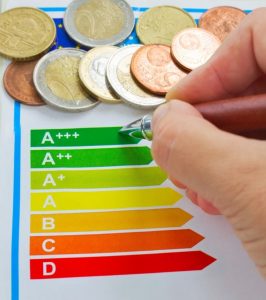
An EPC, or Energy Performance Certificate, tells buyers how energy efficient a property is. It gives the property a rating from A to G, where A is the most efficient and G is the least. The certificate also shows the property’s environmental impact and provides recommendations for improving the rating.
Every EPC is valid for ten years. If your property already has a valid certificate, you may not need a new one. You can check this on the government’s EPC register at gov.uk.
Is an EPC Certificate a Legal Requirement When Selling?
Yes. Under UK law, sellers must have a valid EPC in place before a property is marketed. Your estate agent cannot legally list the property without one. Furthermore, the certificate must be made available to prospective buyers free of charge.
Failing to provide one can result in a fine of up to £200. In practice, most estate agents will not accept an instruction to sell without confirming the EPC is in place first. So the sooner you arrange it, the smoother your sale will be.
How to Get an EPC Certificate for Selling a House
You need to instruct a domestic energy assessor to visit the property and carry out an assessment. The assessor inspects the building fabric, heating system, insulation, windows, and other features that affect energy performance.
The process is straightforward. The assessor visits the property and carries out a visual inspection. This usually takes between 45 minutes and one hour. They then input the data into approved software, which calculates the rating. The certificate is lodged on the national register, usually within 24 hours.
You do not need to be present throughout, but it helps to be available to answer questions about the heating system or any improvements you have made.
How Much Does an EPC Certificate Cost in 2026?
Costs vary by assessor and region. In 2026, most domestic EPC assessments cost between £60 and £120. Larger properties or those in remote areas may cost more.
It is worth comparing two or three assessors before booking. For a full breakdown of what to expect to pay, see our guide to EPC certificate cost. Price should not be the only factor however. Check that the assessor is accredited and registered on an approved accreditation scheme. You can verify this on the gov.uk website before you commit.
How Long Does an EPC Last?
An EPC certificate is valid for ten years from the date of issue. As a result, if you have sold or let the property in the last ten years, there may already be a valid certificate on the register. Check this before spending money on a new assessment.
You can search the national EPC register at gov.uk using your postcode or address. The search is free and takes less than a minute.
What EPC Rating Do You Need to Sell a House?
There is no minimum EPC rating required to sell a residential property in 2026. Unlike rental properties, where landlords must meet minimum standards, sellers can legally market a property at any rating from A to G.
However, the rating does influence buyer behaviour. Properties with lower ratings often attract lower offers. Buyers factor in the cost of improvements when deciding what to pay. Therefore, a poor EPC rating can affect your sale price even if it does not affect your legal ability to sell.
How Your EPC Rating Affects Buyers
Buyers in 2026 are more energy conscious than ever before. Because energy bills remain high, the running costs of a property carry real weight in purchase decisions.
An A or B rated property signals low bills and a modern, efficient home. A D or E rating raises questions. Buyers will want to know what it would cost to improve it and whether any grant funding is available.
For this reason, it is worth considering whether simple improvements before marketing could lift your rating. Loft insulation, for example, can move a property up by a band in some cases. So can cavity wall insulation or upgrading to a more efficient boiler. The Energy Saving Trust has a useful guide to the improvements most likely to lift your rating efficiently.
If your property has solid walls, external wall insulation is one of the most effective ways to improve your rating significantly. You can find out more about that option at ecoinsulation.co.uk.
What Happens If You Do Not Have an EPC Before Marketing?
Your estate agent is legally required to check that a valid EPC is in place or that one has been commissioned before marketing begins. In practice, this means the listing will not go live without it, an EPC certificate for selling a house is incredibly important.
If you instruct a solicitor to begin conveyancing, they will also flag the absence of a valid EPC early in the process. It is therefore one of the first things to arrange, not something to leave until after you have accepted an offer.
EPC Recommendations: Should You Act on Them?
Every EPC includes a list of recommended improvements along with a projected rating if those improvements are carried out. These recommendations are not mandatory for sellers, but they are visible to buyers.
Buyers and their solicitors will see the full certificate, including the recommendations. If the recommendations are significant, such as solid wall insulation or a full heating system upgrade, buyers may use this as a negotiating point. In contrast, if you have already completed some of the recommended work, it is worth making this clear in your property listing and during viewings.
EPC and Floor Insulation
One recommendation that appears frequently on older UK properties is improved floor insulation, particularly for properties with suspended timber floors. If your property has this recommendation, you can find out more about the options at floorinsulation.co.uk .
About Us
 Getting your EPC certificate in place before marketing is one of the most straightforward steps in the selling process. If you need help understanding your rating or want to explore improvements that could lift it before you list, contact us today. Our team works with homeowners across the UK and can point you in the right direction quickly.