The average EPC certificate cost in the UK is usually around £40–£120 for a domestic property, although prices vary by property size, location and assessor. Flats and smaller homes are often cheaper, while large detached homes and commercial properties can cost significantly more.
This guide breaks down typical EPC costs in 2026, what affects the price, how much you can expect to pay for different property types, and how to avoid overpaying.
Why: the page currently gives the price range, but it takes too long to establish the primary query answer. This version leads immediately with the cost.
What is an EPC Certificate?
An EPC Certificate is a legally required document that shows how energy-efficient a property is. Commonly used in the UK and across Europe, you’ll encounter EPCs whenever a property is sold, rented, or built.
An EPC includes:
- Energy efficiency rating: From A (most efficient) to G (least efficient).
- Environmental impact rating: An estimate of the property’s carbon dioxide (CO2) emissions.
- Estimated energy costs: Covering heating, hot water, and lighting.
- Recommendations: Practical suggestions for improvements, such as better insulation, double glazing, installing a more efficient boiler, or adding solar panels.
If you need more information about EPC certificates, requirements and ratings, see our main EPC guide.
Why do you need an EPC Certificate?
You need an EPC because it’s required by law. It helps potential buyers, tenants, and developers compare energy efficiency and running costs between properties. For homeowners, a good EPC rating can even make your home more attractive to buyers. A 2023 Rightmove survey found that 14.5% of home movers considered EPC ratings a major factor when choosing a property.
Who needs an EPC?
- Homeowners: Selling a property requires a valid EPC.
- Landlords and Property Investors: EPCs are mandatory when renting out homes, and the property must meet minimum energy efficiency standards (E or above) in most cases. Many landlords seek bulk EPCs for multiple properties.
- Estate Agents: Often arrange EPCs quickly on behalf of clients, although it may be more expensive than sourcing one directly from an accredited assessor.
- Tenants and Buyers: Use EPCs to estimate running costs before committing.
- Property Developers & Builders: EPCs are required for all new builds and conversions. This often involves SAP (Standard Assessment Procedure) assessments.
- Commercial Property Owners / Businesses: Need Commercial EPCs (CEPCs) to sell or lease offices, shops, warehouses, and other non-residential buildings.
- Public Sector Bodies: Schools, hospitals, and councils often require EPCs for compliance and access to funding.
There are exemptions, such as for some listed buildings, temporary properties (under two years of use), and certain places of worship.
How Much Does an EPC Cost in the UK in 2026?
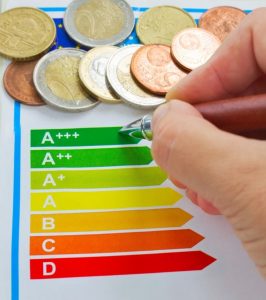
The price depends on property size, type, and whether it’s residential or commercial.
| Property type | Typical EPC cost |
|---|---|
| Flat or small property | £35–£75 |
| Typical house | £45–£120 |
| Large detached property | £80–£150+ |
| Small commercial property | From around £100 |
| Large commercial property | £500–£1,000+ |
Average EPC costs for houses
The EPC certificate cost for most houses in the UK falls into the £45–£120 range. Smaller terraced homes or bungalows are cheaper to assess, while large detached homes with multiple bedrooms and extensions cost more.
EPC certificate costs for flats and rental properties
Flats are generally cheaper to obtain an EPC certificate, often £35–£75, because they’re smaller and sometimes share heating systems. Landlords managing several flats can usually negotiate better prices by ordering EPCs in bulk.
EPC certificate costs for commercial properties
Commercial EPCs are more expensive, but vary greatly. Prices can start as low as £100 for small offices, but can rise well over £1,000 for larger commercial buildings such as warehouses, schools, or office blocks. This reflects the additional time and complexity involved, and the buildings’ layout, usage, and location.
What Affects the Cost of an EPC Certificate?
While you can expect standard ranges, the exact cost of your EPC depends on a few factors, including the assessor’s experience. Here are some other influences on EPC certificate costs.
Size and type of property
A larger property with more rooms and complex heating systems requires a more detailed survey. Detached homes cost more than mid-terraced ones for this reason.
Location and region
Prices vary across the UK. In London and the South East, assessors often charge more than in rural areas or the North due to higher demand and travel costs.
Residential vs. Commercial EPCs
Residential EPCs are straightforward and relatively affordable. By contrast, CEPCs take longer and require more detailed reporting, which explains their higher price. Unless you are buying, letting, or renting a CEPC, you don’t need to worry about this.
How to Get an EPC Without Overpaying
The process is simple if you know where to look, and we can help you get your EPC Certificate without any hassle.
Finding an accredited assessor
Only an accredited assessor can issue a valid EPC. You can search the official EPC register to find local assessors, or go through an estate agent. However, going directly to an assessor is usually cheaper.
How long does it take?
For a typical house, the inspection takes 30–60 minutes, and the certificate is usually available within 2–3 days. Larger or commercial buildings may take longer.
How long is an EPC valid?
An EPC is valid for 10 years. You’ll need to renew it if you’re selling or renting again after it expires. Some property owners also choose to update their EPC sooner if they’ve made major energy upgrades, for instance by installing wall insulations, floor insulations, or eco insulations.
Tips for saving money on your EPC
While an EPC isn’t a huge expense compared to other property costs, there are still ways to save.
Bundling with other property services
Estate agents, surveyors, or letting agents sometimes offer EPCs as part of a sales or lettings package. This can be convenient, but it’s not always the cheapest option. It’s worth comparing against independent assessors.
Choosing a local assessor
Local assessors often charge less than national providers. They’re also more flexible on scheduling and turnaround. The best way to find someone nearby is by using our search tool.
Do You Need to Pay for a New EPC?
f your existing EPC is still valid, you may not need to pay for another assessment. EPCs are normally valid for 10 years, although you may choose to obtain a new certificate after major energy-efficiency improvements or when required for a property transaction.
Don’t risk a fine or delays to your sale
An EPC is valid for 10 years and takes less than an hour to arrange. Book your EPC now and stay compliant with UK regulations.